Mooloolaba Whale Watching
Planning Guide

Mooloolaba Whale Watching Experience

The Sunshine Coast's whale migration delivers one of Australia's most reliable marine encounters, with humpback whales passing Mooloolaba's coastal shelf between June and November each year. Tours depart daily from The Wharf Mooloolaba, with morning departures offering calmer sea conditions and more active whale behavior. This guide covers tour logistics, migration timing, and what to expect on the water.

11 min read Updated 2026-08-20 Fact-checked
Mooloolaba Whale Watching Experience

Quick answer

The mooloolaba whale watching experience operates daily from 08:00 to 18:00, with tours departing from The Wharf Mooloolaba at 123 Parkyn Parade. Peak humpback whale migration runs from mid-June through early November, with the highest activity in July and August when pods travel north to calving grounds. Morning departures between 08:00 and 11:00 typically offer calmer seas and more active whales.

More than thirty thousand humpback whales migrate past Mooloolaba each year, making the Sunshine Coast one of the Southern Hemisphere's most concentrated whale corridors. The continental shelf sits less than fifteen kilometers offshore here, funneling northbound and southbound pods through a narrow coastal passage that brings breaching adults and calves within sight of tour vessels throughout the migration season. The mooloolaba whale watching experience centers on rigid inflatable rafts and larger catamarans that depart from The Wharf Mooloolaba, a purpose-built marina complex at the mouth of the Mooloolaba River. Tours run throughout the migration window, which extends from early June through mid-November, though the calendar splits into two distinct phases. Northbound whales appear first, traveling toward warmer waters to calve between June and August. Southbound migration begins in late August and peaks in September and October, when mothers escort newborn calves back toward Antarctic feeding grounds. Calves born weeks earlier are more active during this return phase, with frequent surface behavior that includes breaching, tail slapping, and extended periods at the surface. Adventure Rafting operates from The Wharf and specializes in small-group departures aboard twelve-passenger rigid inflatables, which sit lower to the waterline than traditional catamarans and allow closer approaches within regulated distance limits. The operator's morning slots fill quickly during peak months, with departures scheduled to coincide with the early tidal window when whales move closest to shore. Entry to the wharf precinct itself is free, and vessels return to the same departure point after each tour, which typically runs between two and three hours depending on whale activity and sea conditions. The phone line at +61431000872 handles day-of availability, though advance booking through the operator's site at adventurerafting.com.au is standard during July through September. Mooloolaba's position on the migration route means sighting rates hold above ninety percent throughout the core season, with the Sunshine Coast's sheltered bays and offshore reefs creating predictable congregation points. The experience differs sharply from open-ocean whale watching in that encounters often occur within a few kilometers of shore, with Mount Coolum and the Glass House Mountains visible in the background during most sightings.

“The continental shelf sits less than fifteen kilometers offshore, funneling northbound and southbound pods through a narrow coastal passage that brings breaching adults and calves within sight of tour vessels.”
Timing

Best Season and Daily Windows for the Mooloolaba Whale Watching Experience

The optimal period for whale watching in Mooloolaba runs from August to September, targeting the morning departure window between 08:00 and 11:00. This slot aligns with the migration peak and typically provides calmer ocean swells and highly active marine wildlife.

June to July

Moderate tour booking volumes

Mild winter days, average 10–22°C

Humpback whales journey north toward warmer waters. Sightings consist mainly of active adult groups traveling in small pods.

August to September

Highest passenger numbers of the season

Sunny, dry days, average 13–25°C

This crossover window features whales moving both north and south, offering the highest density of marine activity. Ocean conditions are generally consistent, making it the most reliable time for close encounters.

October to November

Low to moderate tour bookings

Pleasantly warm days, average 15–26°C

Whales begin traveling south toward Antarctic waters. Tours frequently encounter mothers traveling slowly with newborn calves.

Weekday mornings

Fewer participants per cruise

Arriving for the 08:00 to 11:00 window avoids weekend queues at The Wharf Mooloolaba. Morning winds are typically lighter, ensuring smoother navigation and better visibility on the water.

Verdict: Book a Tuesday or Wednesday morning tour between 08:00 and 11:00 in August or September for peak marine activity and the calmest sea conditions.

Head to head

RIB vs. Catamaran: Selecting Your Mooloolaba Whale Watching Experience

When planning your Mooloolaba whale watching trip, you must choose between a fast, open-air rigid inflatable boat that sits low to the water and a spacious, multi-level catamaran.

Adventure Rafting Small-Group RIB Recommended Whale One Spacious Catamaran
Vessel Type Rigid Inflatable Boat (RIB) Double-Deck Catamaran
Capacity 23 passengers 120 passengers
Minimum Age 5 years 5 years
Ride Style Active, high-speed, close to the water Stable, multi-level scenic cruising
Amenities Onboard toilet and open-air seating Indoor lounge, licensed bar, toilets
Swim Options Not available Swim packages available (via Sunreef)

Verdict: Select Adventure Rafting for a fast-paced, small-group tour close to the ocean surface, or choose Whale One if you prefer a large, stable multi-deck vessel with indoor facilities and swim options.

What to see

Humpback Behaviors on the Mooloolaba Whale Watching Experience

The Mooloolaba whale watching route showcases a mix of coastal landmarks and energetic marine behavior. Visitors can observe natural humpback communication displays alongside scenic Sunshine Coast geographic features.

Point Cartwright Lighthouse

Point Cartwright Lighthouse

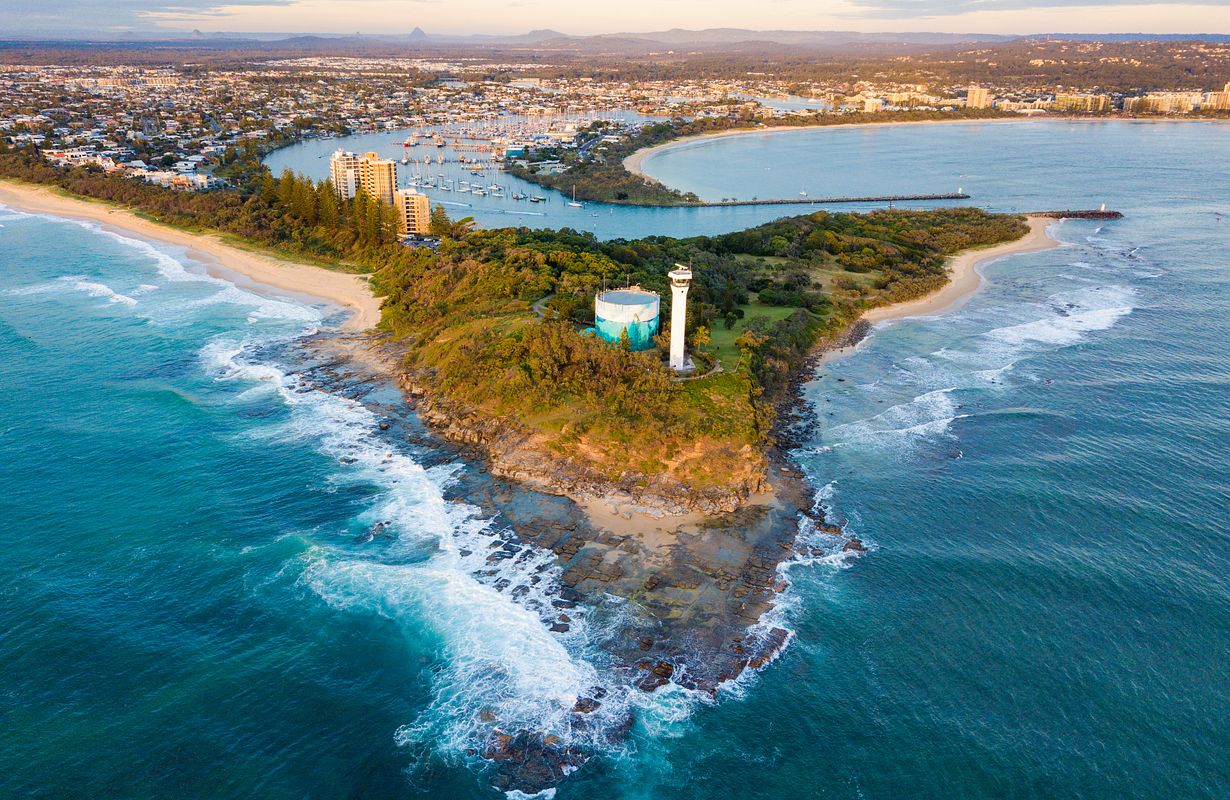
This active lighthouse sits atop the headland, marking the entrance to the Mooloolaba River. Cruises pass by this coastal landmark, offering a view of its steep cliffs and surrounding reserve.

Look high up on the headland as the vessel exits the river.
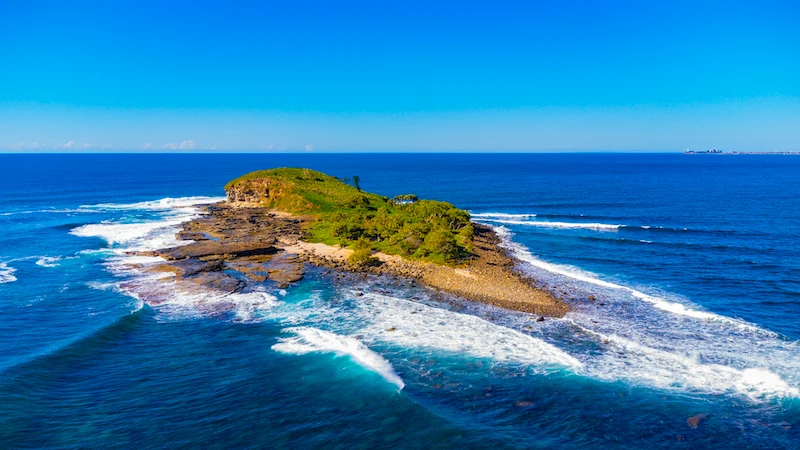
Mudjimba Island

Mudjimba Island

Also known as Old Woman Island, this nature reserve is located just off the coast and features a reef that attracts diverse marine life. The island's cliffs and surrounding waters are often navigated during transit to the whale corridors.

Scan the shallower rocky areas for resident sea turtles surfacing.

Humpback Breaching

Humpback Breaching

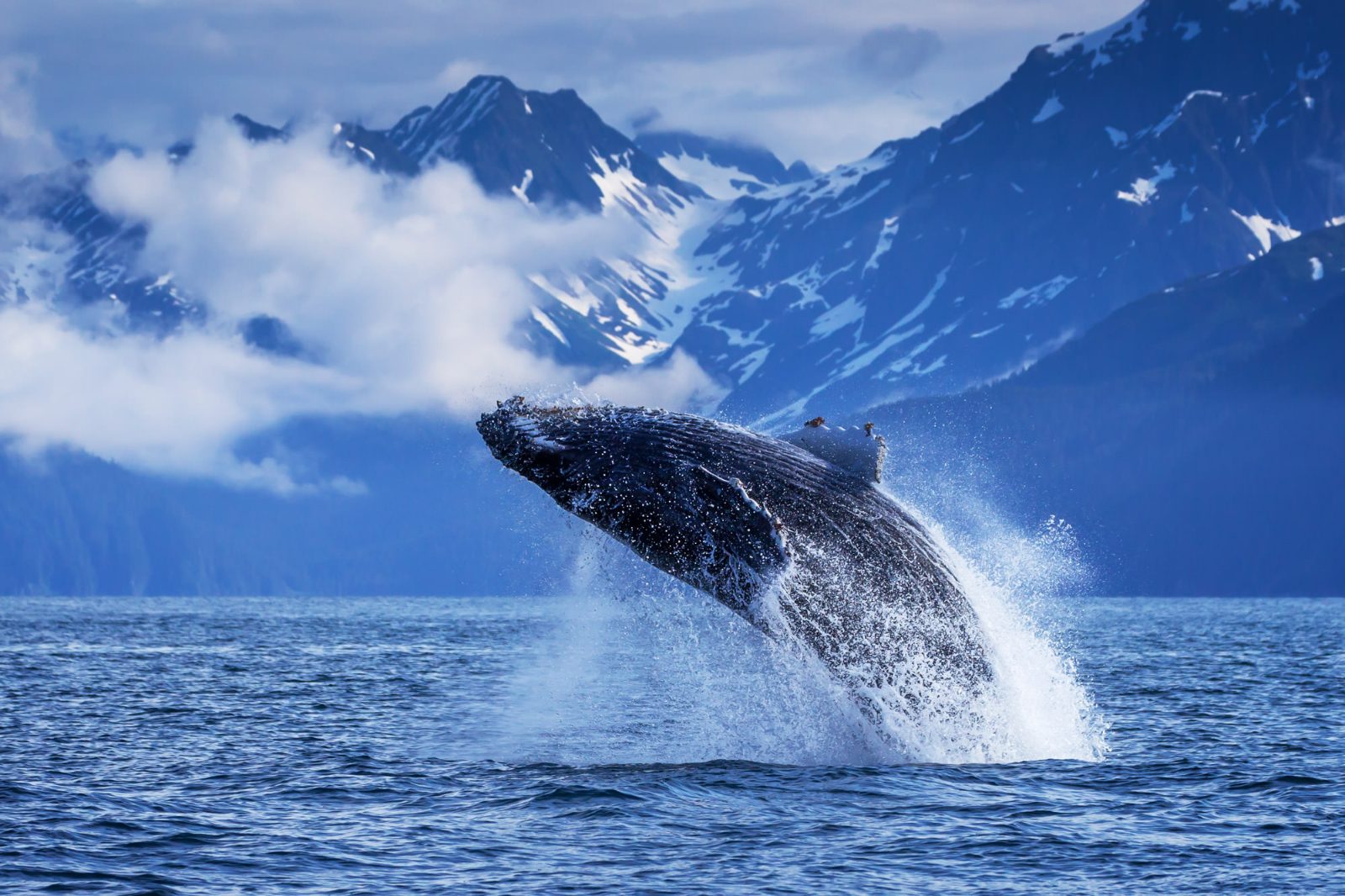
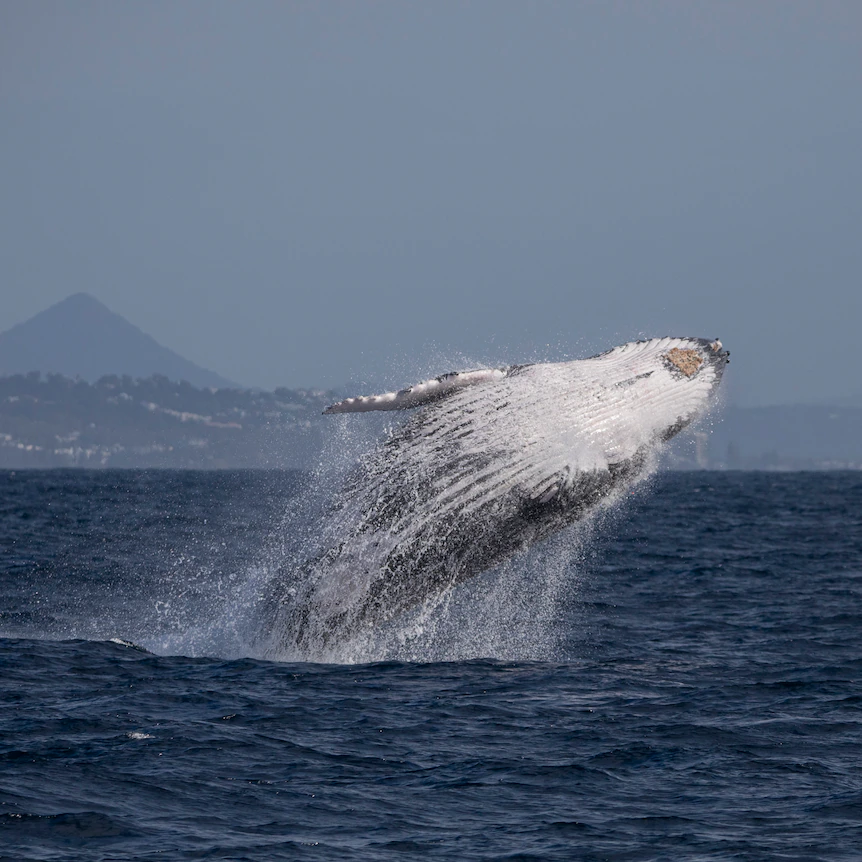
Humpback whales launch their multi-ton bodies completely out of the water, creating massive splashes upon landing. This energetic display is often used for communication or shedding skin parasites.

Watch for a sudden white water plume on the horizon first.

Pectoral Fin Slapping

Pectoral Fin Slapping

Whales roll onto their sides to lift and forcefully slap their long pectoral fins against the ocean surface. These fins can reach up to five meters in length, producing a sharp cracking sound that echoes over the water.

Listen for a loud clapping sound before looking for the splash.

Tail Slapping

Tail Slapping

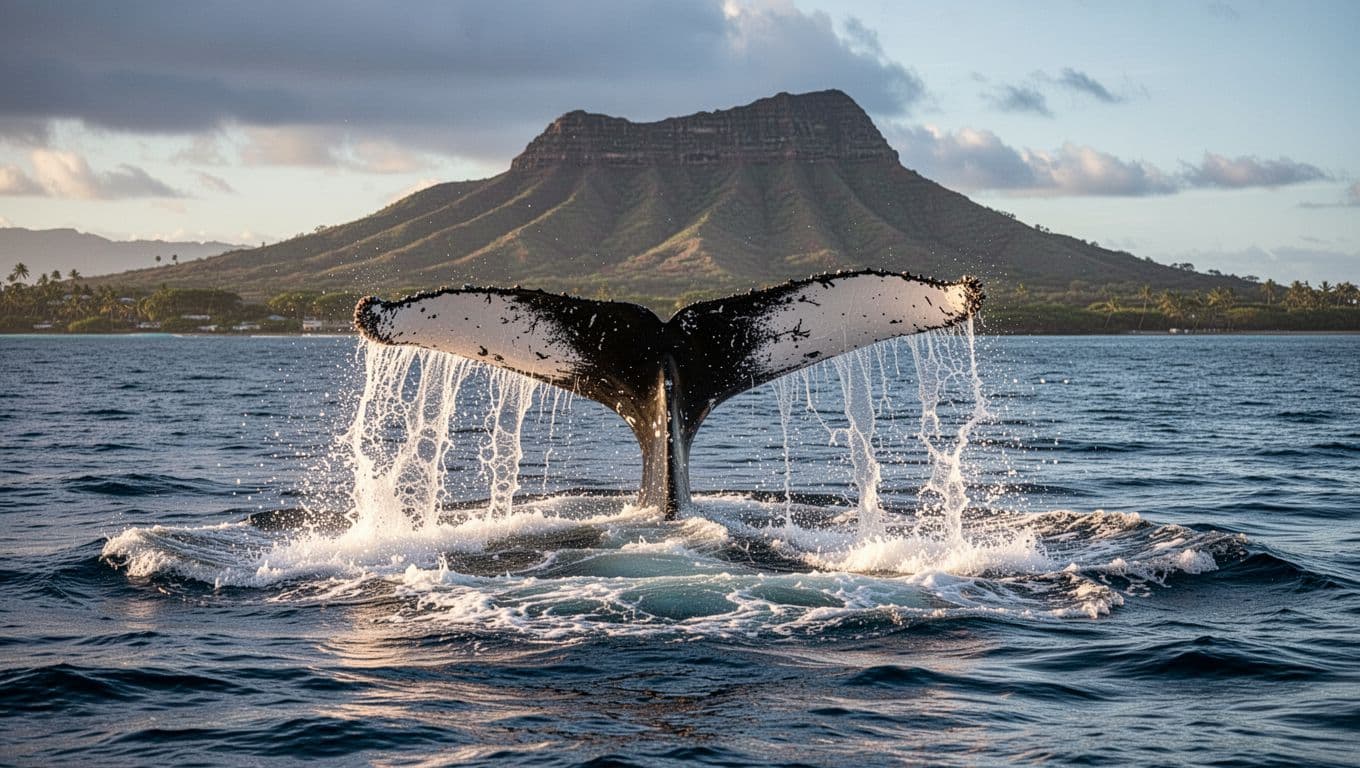
Whales position themselves head-down in the water and repeatedly beat their massive tail flukes against the surface. This behavior is believed to serve as a means of communication or a warning signal.

Observe the water's surface for a vertical dark fluke raising upward.

Directions

How to Reach the Mooloolaba Whale Watching Experience Meeting Point

The whale watching experience departs from Marina Berth 42 at The Wharf Mooloolaba, located at 123 Parkyn Parade. This waterfront precinct is accessible via regional roads and the Sunshine Coast bus network.

Car 15 min

State Route 70 to 123 Parkyn Parade

Bus 10 min 0.50 AUD

Translink Route 600 to River Esplanade stop

Bus 25 min 0.50 AUD

Translink Route 615 to Walan Street near Smith Street

On foot 12 min

Mooloolaba Esplanade boardwalk to Parkyn Parade

Arrive at least 30 minutes prior to departure to ensure smooth boarding. The main parking lot offers free parking with a 4-hour limit, but it fills rapidly during peak times.

Avoid these

Common Mistakes to Avoid on Your Sunshine Coast Cruise

Most visitors underestimate the ocean conditions and physical demands of a whale watching cruise. A few common errors can turn a comfortable morning into a cold, queasy ordeal.

Underestimating wind chill on open water

The ocean breeze feels 5–8°C colder than shore temperature. Layer up with a windproof jacket and bring a beanie, even on warm Queensland mornings.

Skipping motion sickness preparation entirely

Seas can be choppy beyond the bay. Take anti-nausea medication 30–60 minutes before departure if you're prone to seasickness, and eat a light meal beforehand.

Arriving exactly at cruise departure time

The boat leaves on schedule. Aim to arrive 20–30 minutes early to allow for parking, check-in, and locating The Wharf Mooloolaba berth without rushing.

Wearing inappropriate footwear for a wet deck

Decks get slippery from spray and movement. Closed-toe shoes with grip are essential; leave heels and smooth-soled sandals behind.

Forgetting sun protection on overcast days

UV reflects off the water and cloud cover doesn't block it. Apply broad-spectrum sunscreen and bring sunglasses even when the sky looks grey.

Checklist

Pre-Departure Checklist for Boarding Your Vessel

Prepare these essentials before you board at The Wharf Mooloolaba for your morning whale-watching departure.

Nearby

Other Attractions and Dining Near The Wharf Mooloolaba

Cruises depart directly from the heart of the marina, placing you steps away from premier local attractions and dining spots. Combining your cruise with these nearby landmarks allows you to easily plan a full day of coastal activities without shifting your base location.

SEA LIFE Sunshine Coast

SEA LIFE Sunshine Coast

1 min walk

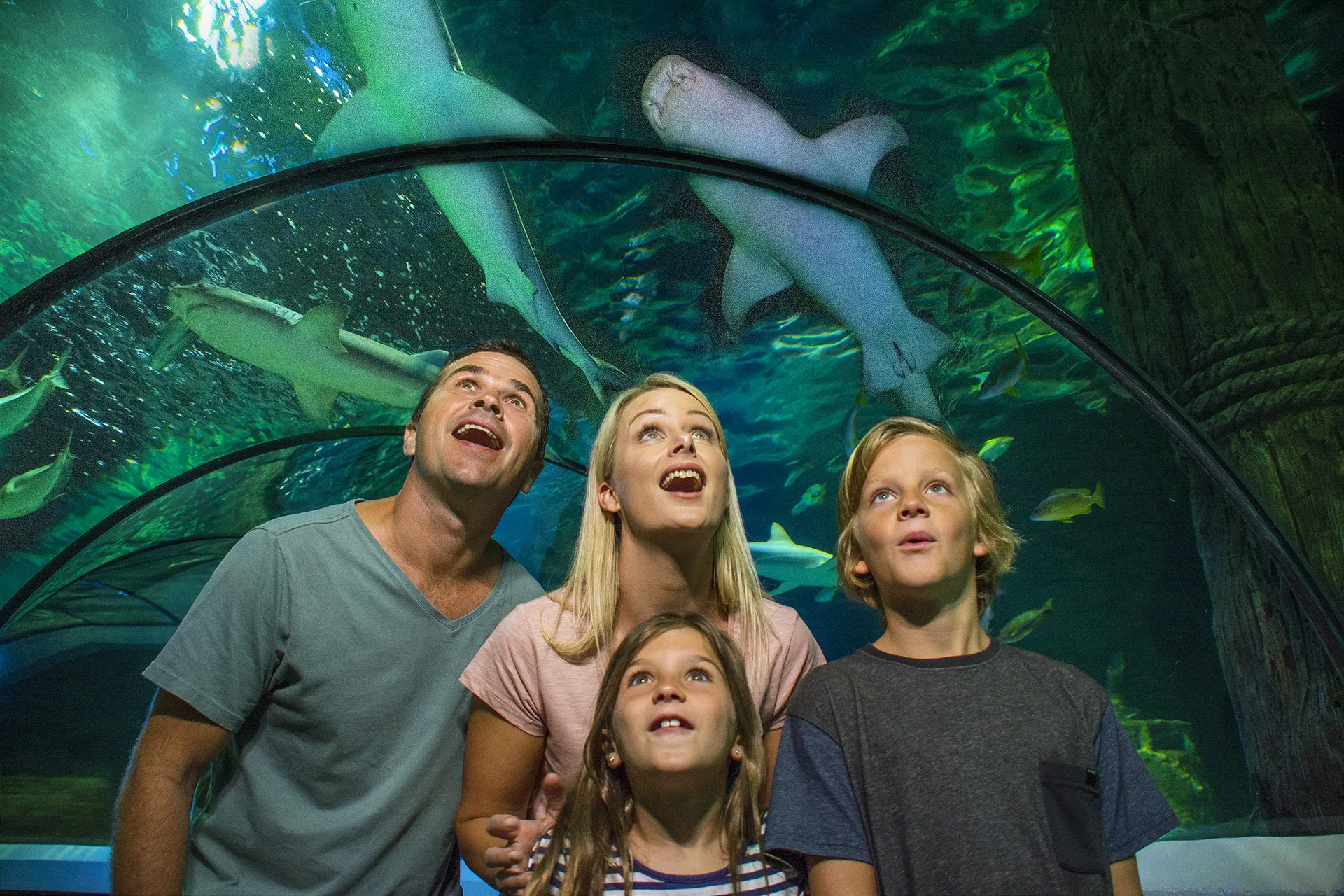
This multi-level aquarium stands right next to the tour meeting point, letting you transition from watching whales in the wild to observing rescued seals and walking through an ocean tunnel.

Prawn Star Mooloolaba

Prawn Star Mooloolaba

1 min walk

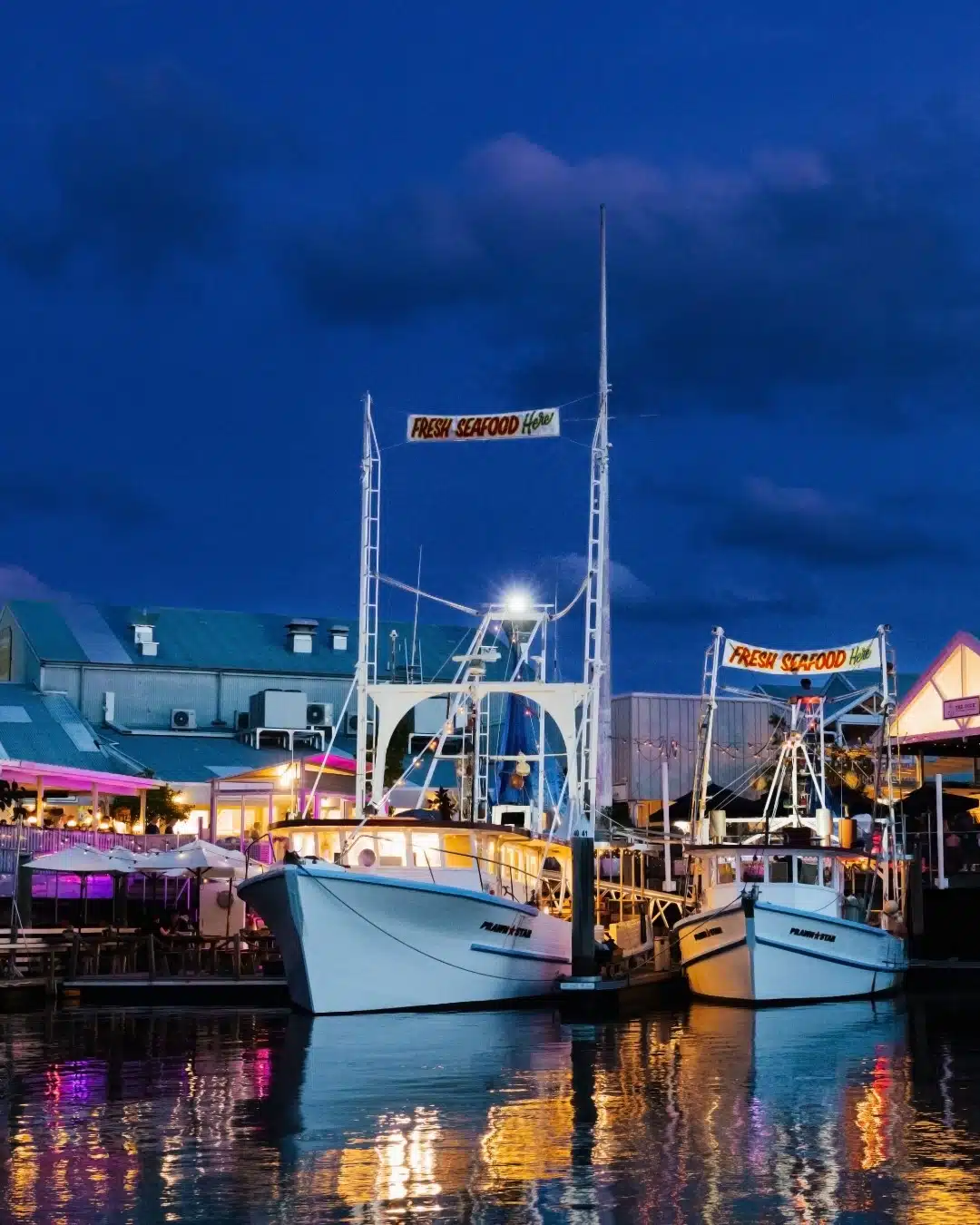
Moored at the marina pontoons, this casual restaurant operates out of restored timber fishing trawlers, serving wild-caught prawns and oysters immediately after you step off the boat.

Mooloolaba Beach

Mooloolaba Beach

5 min walk

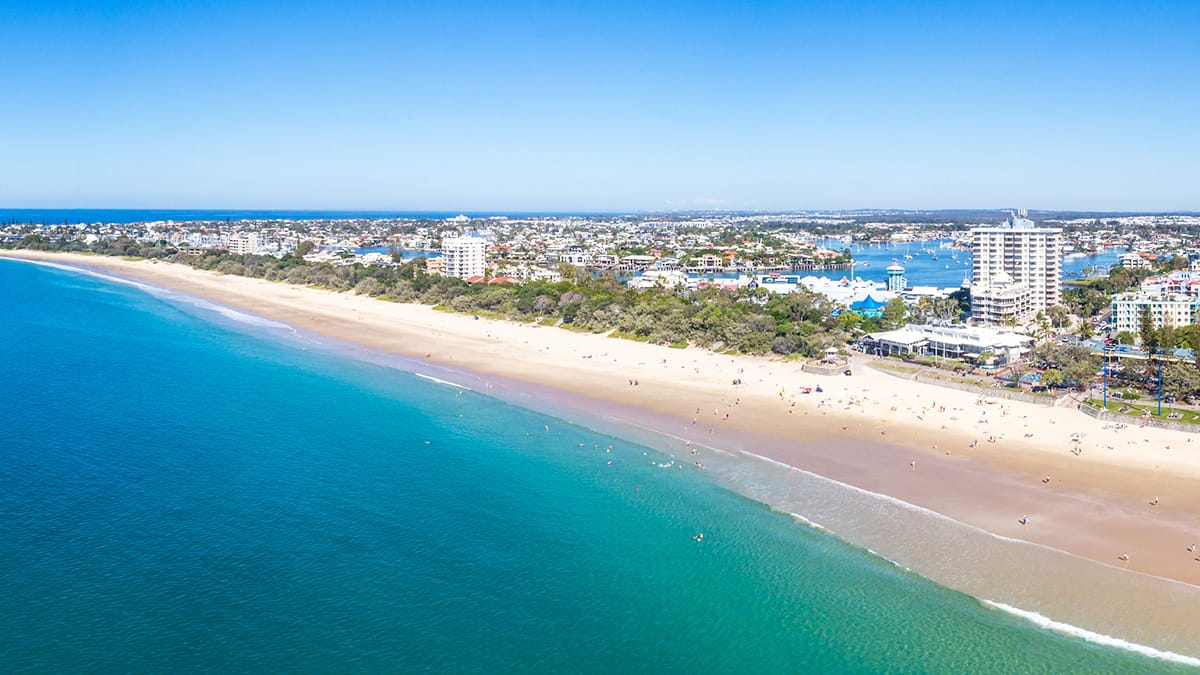
Walk just past the esplanade to find a patrolled sandy shoreline, perfect for a swim or a stroll to view the headland scenery.

Book

Check availability

Frequently asked

Frequently asked questions about mooloolaba whale watching experience

Everything you need to know about mooloolaba whale watching experience

Where is the check-in point for the whale tours?

Tours depart from the Marina at The Wharf Mooloolaba, located at 123 Parkyn Parade. If you are joining the mooloolaba whale watching experience, look for the check-in desk of your specific operator near the main wharf boardwalk. Please arrive early to ensure a smooth check-in process.

What happens if no whales are sighted during the tour?

Most operators offer a sighting guarantee for passengers. If no humpback whales are spotted, you are usually offered a free return trip on a later date. This policy ensures peace of mind when booking your ocean wildlife cruise Mooloolaba excursion.

Are these marine wildlife tours suitable for toddlers?

Age restrictions depend heavily on the type of vessel used. Rigid inflatable boats often have age limits due to the bouncy ride, while larger multi-deck vessels accommodate younger children easily. Always verify with the operator before booking a Sunshine Coast humpback tour for young families.

How long does a typical excursion last on the water?

Most water excursions on a Mooloolaba whale cruise last between two and three hours. This timeframe provides ample opportunity to travel out to the ocean and observe the pods as they swim along their migration pathway. The duration is ideal for capturing photos of blowholes and breaching behaviors.

Is wheelchair access available on the vessels?

Accessibility options vary significantly depending on the design of the tour vessel. While larger multi-deck catamarans can sometimes accommodate standard wheelchairs, smaller rigid hulls generally cannot. Contact the operator directly to ensure a smooth mooloolaba whale watching experience.

What should I expect regarding entry fees at the departure point?

Access to the meeting point at The Wharf is completely free, meaning the basic entrance fee is 0 AUD. However, individual tour tickets must be purchased separately to board the vessels. The booking fee varies depending on the specific operator and departure time.

Can I purchase tickets directly at the boarding dock?

While some operators have ticketing offices at The Wharf Mooloolaba, booking online in advance is highly recommended to secure your spot. Space is limited on each vessel, especially during peak migration weeks. Securing your spot online guarantees you do not miss out on the mooloolaba whale watching experience.

Which time of day offers the best chance of active whale sightings?

To maximize your chances, try to choose a departure window between 08:00 and 11:00. This is often the prime time to witness active pods during the mooloolaba whale watching experience. Morning departures are generally recommended because sea conditions tend to be calmer.

Keep reading

More guides & pages