
Mooloolaba Whale Watching
Seasonal Guide

Mooloolaba Whale Watching Season

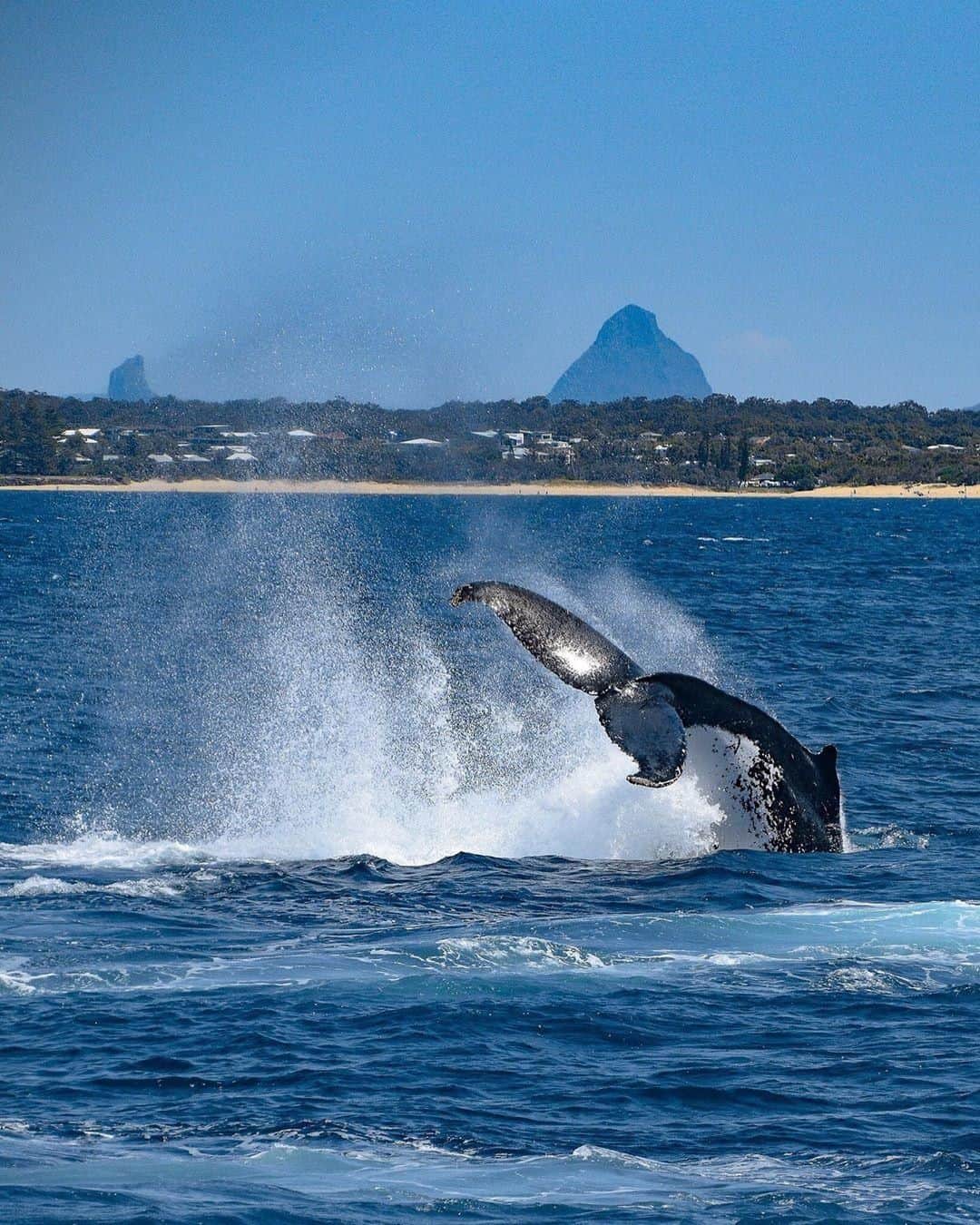
Humpback whales pass Mooloolaba's coastline every winter as part of their 10,000-kilometer migration between Antarctic feeding grounds and tropical breeding waters. The season spans five months, with distinct northern and southern legs that shape when and how often you'll see whales breach, tail-slap, and nurse their calves within sight of the Sunshine Coast.

11 min read Updated 2026-08-20 Fact-checked
Mooloolaba Whale Watching Season

Quick answer

The mooloolaba whale watching season runs from June through November, aligning with the humpback whale migration along Australia's east coast. Peak sighting months are July and August during the northern migration, and September through October when mothers and calves return south. Tours operate daily from 08:00 to 17:00 Monday through Saturday, and 08:00 to 16:00 on Sunday, departing from The Wharf Mooloolaba.

More than 30,000 humpback whales pass through the waters off Mooloolaba each year, making it one of the most reliable cetacean corridors in the Southern Hemisphere. The mooloolaba whale watching season follows the species' annual journey from the cold, krill-rich waters of Antarctica to the warm breeding lagoons near the Great Barrier Reef and back again. This predictable migration creates two distinct phases: the northbound leg from June through August, when whales travel quickly and purposefully, and the southbound return from September through November, when mothers slow their pace to accommodate newborn calves. June marks the start of the northbound migration, with sightings increasing through July as pod numbers peak. Whales during this phase travel at around five knots, often breaching and tail-slapping in competitive displays. August sees the tail end of the northward journey, with stragglers still heading toward breeding grounds. By September, the direction reverses. Mothers and calves appear first, moving south at a leisurely three knots, followed by juveniles and then the larger males. October delivers the highest calf counts, with young whales practicing breaches and pectoral slaps alongside protective mothers. November closes the season as the last pods clear the Sunshine Coast corridor. Morning departures between 08:00 and 10:00 offer the calmest sea conditions and the best light for photography, with glare reduced and whale behavior more visible against the darker water. Afternoon tours encounter choppier swells but often witness more active surface behavior as whales become playful in warmer water. Tours depart from Shop 11-12, The Wharf Mooloolaba, located at 123 Parkyn Parade, where operators maintain contact with spotter networks to track pod movements in real time. Sighting success rates exceed 95 percent during the mooloolaba whale watching season guide months of July through October, dropping slightly in June and November as migration intensity tapers. Weather cancellations are rare but do occur during winter cold fronts, when offshore winds create unsafe swell conditions. Booking ahead is essential during school holiday periods in July and September, when tour capacity fills days in advance.

“More than 30,000 humpback whales pass through the waters off Mooloolaba each year, making it one of the most reliable cetacean corridors in the Southern Hemisphere.”
Timing

Peak Migration Weeks for the Mooloolaba Whale Watching Season

The best time to visit Mooloolaba for whale watching is from August to September during the peak crossover migration phase. This window offers the highest density of humpback whales as pods travel both north and south along the coast.

June to July

Low to moderate crowds

Mild, sunny, 13–22°C

This period marks the northerly migration where active humpback pods journey to warmer northern breeding waters. Sighting numbers build steadily during these initial months, offering consistent viewing of fast-moving adult pods.

August to September

Peak seasonal crowds

Warm, dry, 14–24°C

This crossover window offers maximum whale activity as pods travel both north and south simultaneously. Sighting frequency peaks during these weeks, though booking ahead is necessary to secure spots.

October to November

Moderate crowds

Warm, humid, 17–28°C

Most whales head south to Antarctica, with mothers and newborn calves traveling close to the Sunshine Coast shoreline. The slower-moving pairs stay near the surface, allowing for detailed observations.

Weekday mornings

Lower booking numbers

Morning departures between 08:00 and 10:00 benefit from calmer wind and sea conditions. Wind speeds typically increase in the afternoon, which can reduce water visibility.

Verdict: Book a Tuesday to Thursday tour during the 08:00 to 10:00 morning arrival window in late August or September for peak sightings and calmer sea conditions.

How-to

How to Plan and Board During the Mooloolaba Whale Watching Season

Securing a spot during Mooloolaba's winter whale migration involves booking online, arriving at The Wharf departure point, and checking in at the operator's office before boarding. The full sequence takes around 30 minutes from arrival to departure.

  1. 1

    Book your tour online

    Visit the official site at sunreef.com.au and select a departure time between June and November when humpback whales migrate along the Sunshine Coast. Confirm your booking email arrives with a reference number — you'll need it at check-in.

  2. 2

    Arrive during the morning window

    Reach Shop 11-12, The Wharf Mooloolaba at 123 Parkyn Parade between 08:00 and 10:00 for calmer seas and optimal whale visibility. Most visitors underestimate Wharf foot traffic; add ten minutes to your drive time.

  3. 3

    Check in at the office

    Present your booking reference at the operator's counter inside the departure point. Staff issue wristbands and brief you on sea conditions — this step closes 15 minutes before departure, and latecomers forfeit their slot.

  4. 4

    Board at the designated berth

    Follow the crew to the vessel moored along Parkyn Parade's floating pontoons. Boarding begins 10 minutes prior to departure; stow belongings in the cabin storage nets and choose a seat on the upper deck for unobstructed sightlines.

Opening hours

Ticketing and Tour Office Hours

The Sunreef ticketing and booking office at The Wharf Mooloolaba is open daily to assist visitors with boarding passes, reservations, and information regarding vessel departures.

Monday
08:00–17:00
Standard office hours
Tuesday
08:00–17:00
Standard office hours
Wednesday
08:00–17:00
Standard office hours
Thursday
08:00–17:00
Standard office hours
Friday
08:00–17:00
Standard office hours
Saturday
08:00–17:00
Standard office hours
Sunday
08:00–16:00
Earlier closing hours
All passengers must complete their check-in at the desk at least 30 minutes prior to their scheduled boat departure time to secure their boarding spot.

Office hours remain stable year-round, but specific boat cruise departures operate in morning and afternoon timeframes. The recommended arrival window is between 08:00 and 10:00 for optimal morning sea conditions.

Directions

Directions to the Mooloolaba Whale Watching Season Departure Point

The whale watching departure point at Shop 11-12 in The Wharf Mooloolaba is positioned directly on the Mooloolah River spit. This central precinct is highly accessible by driving from Brisbane or using regional public transport systems.

Car 75 min

Bruce Highway (M1) and Sunshine Motorway (State Route 70) to Parkyn Parade

Bus 30 min 0.50 AUD

Translink Route 600 to Mooloolaba Wharf stop

Boat 45 min 16.00 AUD

Mooloolaba Ferry from Kawana Waters Hotel to The Wharf Mooloolaba

Plan your arrival between 08:00 and 10:00 to catch morning tours that offer calmer seas and better whale visibility. The Wharf provides over 400 free parking spaces with a four-hour limit, but during peak migration season, you may need to park at the multi-deck ParknGo Mooloolaba Central facility on Smith Street.

Insider tips

Crucial Sighting Tips for the Mooloolaba Whale Watching Season

These specialized recommendations help visitors maximize their viewing experience and maintain comfort on the open water off Mooloolaba.

1

Prioritize Morning Departures

Aiming for the recommended 08:00–10:00 arrival window secures morning departures, which typically benefit from calmer swell conditions and optimal light for spotting blows.

2

Select Lower Center Deck Positions

To minimize the impact of swell and motion, stand or sit near the center of the vessel close to the waterline. The top deck experiences significantly more sway.

3

Use Polarized Eyewear

Polarized sunglasses are highly useful because they filter out surface glare on the water. This makes it easier to track whales moving just beneath the ocean surface.

4

Anchor Your Gaze Outdoors

Look toward the horizon or the coastline rather than focusing on camera screens or phones. This visual anchor assists the brain in preventing motion sickness.

5

Leverage Leeward Side Shelter

If the wind picks up, locate a position on the leeward side of the boat. This area offers protection from cold sea spray while still providing fresh air.

6

Monitor Pre-Departure Status Alerts

Tour operators evaluate sea conditions the afternoon prior. Expect a confirmation text or email around 15:30, and call the office if nothing arrives by 16:00.

Nearby

Sights to Combine with a Whale Watching Cruise

Several coastal sights and family activities sit within walking distance or a short drive from the marina. Combining these spots with your cruise allows you to build a full day of marine exploration.

SEA LIFE Sunshine Coast

SEA LIFE Sunshine Coast

1 min walk

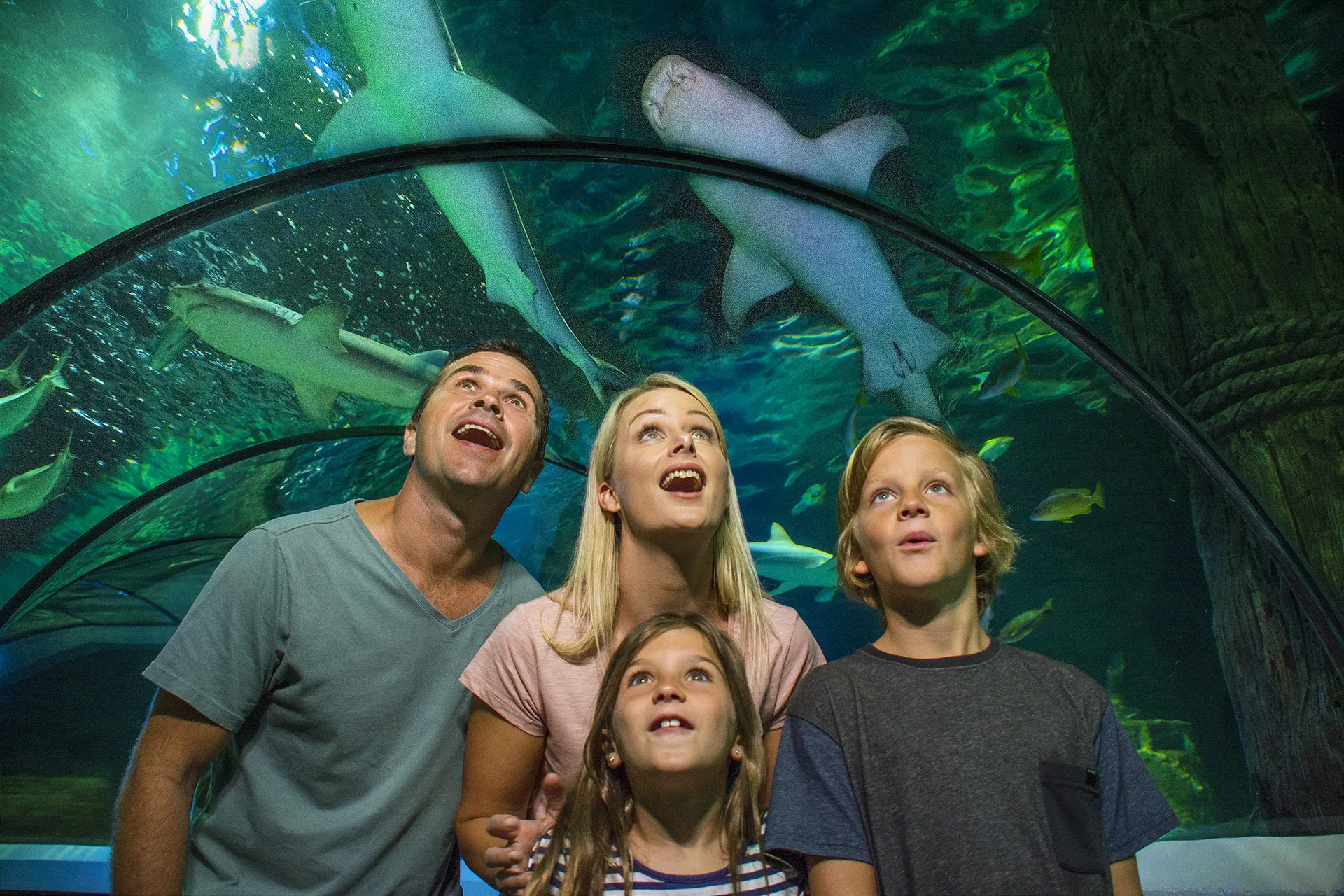
Located in the same wharf precinct as the whale watching ticket office, this aquarium allows visitors to continue their marine animal experience by viewing sharks, seals, and penguins immediately after disembarking.
Point Cartwright Lighthouse

Point Cartwright Lighthouse

10 min drive

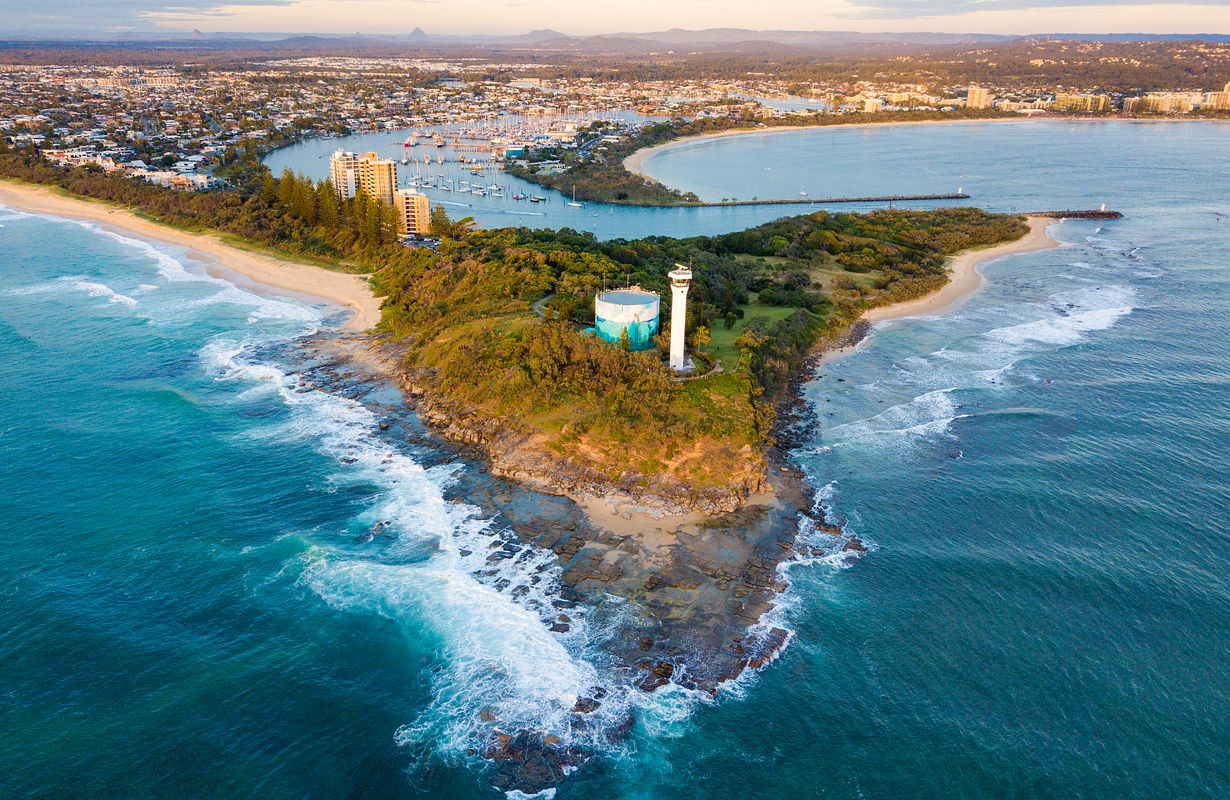
Situated across the river mouth, this elevated headland is ideal for matching a boat tour with land-based whale spotting along the migration pathway.

Mooloolaba Beach

Mooloolaba Beach

5 min walk

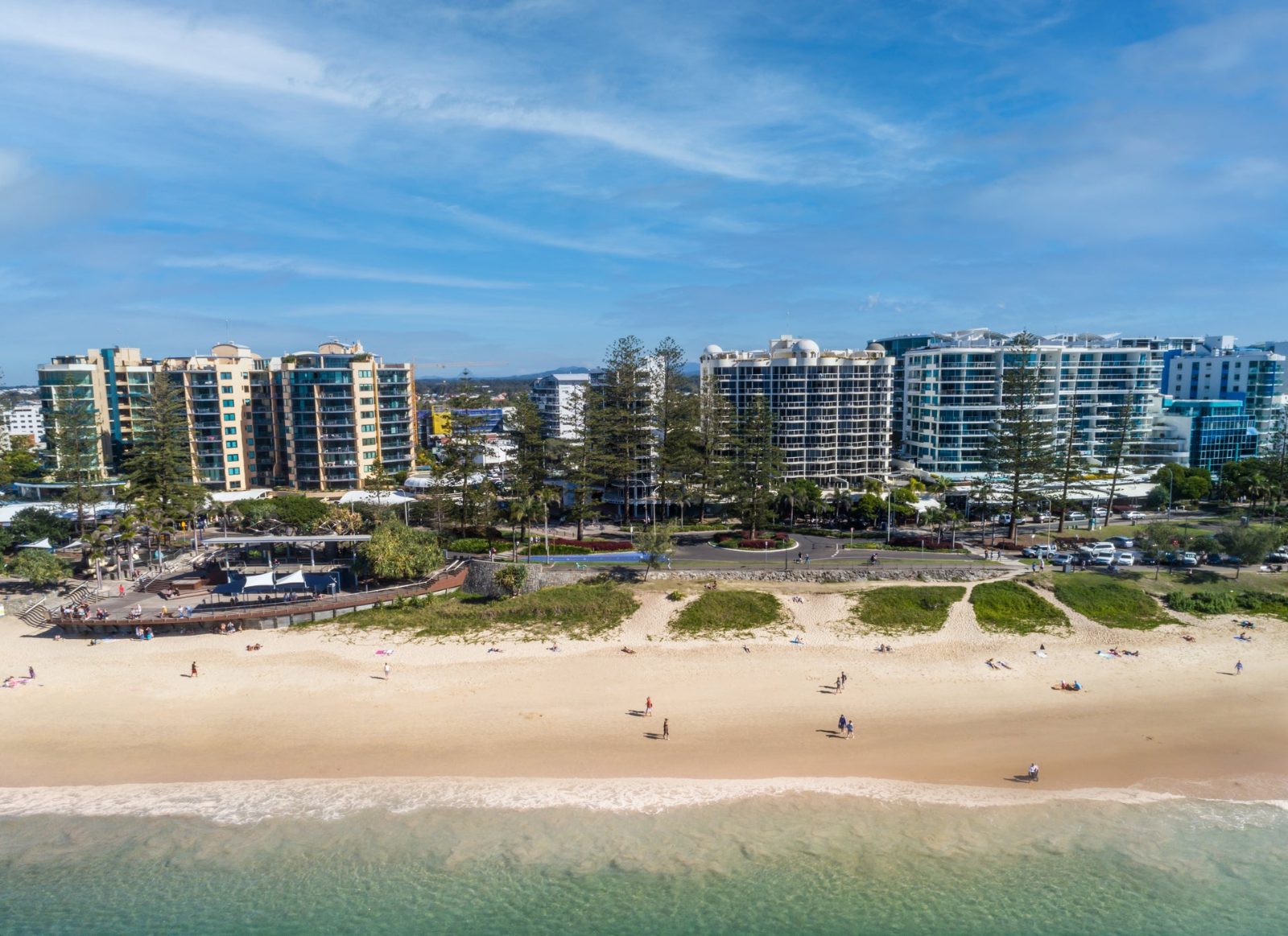
Situated a short stroll from the departure marina, this patrolled beach offers a convenient spot to relax or swim before boarding your morning cruise.

Checklist

What to Pack for Mooloolaba Whale Watching Cruises

Pack for coastal winter conditions and a moving vessel to stay comfortable and capture the best sightings.

Book

Check availability

Frequently asked

Frequently asked questions about mooloolaba whale watching season

Everything you need to know about mooloolaba whale watching season

When does the mooloolaba whale watching season start and end?

The official mooloolaba whale watching season runs from early June through to early November. During this winter period, thousands of humpback whales travel past the coast, completing their southern migration from Antarctica to warmer breeding waters. Sighting frequencies change across these months, with the highest activity peaking in August and September.

Can I see these marine mammals from the shore in Mooloolaba?

Yes, land-based spots like Point Cartwright offer excellent opportunities to spot whales navigating the coastal currents. You can watch for telltale water spouts from their blowholes or even a spectacular breach from the headland during the Sunshine Coast humpback migration. However, booking a boat trip gets you much closer to the action.

What is the crossover period during the winter migration?

The crossover period refers to August and September when pods travel in both directions along the coast. During these months of the mooloolaba whale watching season, you will observe some groups heading north to breed while others are already journeying south. This overlap results in the highest concentration of animals and highly active surface behaviors.

What types of boats operate during the mooloolaba whale watching season?

Tours utilize different styles of watercraft, ranging from large multi-level catamarans to fast rigid inflatable boats. The choice of vessel depends on whether you prefer a stable, spacious deck with panoramic views or a faster, low-profile ride closer to the water. Operators run departures daily from the marina at The Wharf Mooloolaba.

Is there a guarantee that I will spot whales on a Mooloolaba whale watching tour?

Most local operators offer a sighting guarantee, meaning if you do not spot any whales on your trip, you receive a free return voucher for a future departure. This policy is highly reliable given the dense population of whales moving through the region. Booking during the peak of the mooloolaba whale watching season virtually ensures multiple sightings on the water.

Can you swim with humpback whales during ocean whale encounters?

Yes, specialized tours permit in-water interactions, which typically run from July to mid-October. During these ocean whale encounters, participants wear snorkels and hold onto a line attached to the boat while the animals choose to approach. This regulated activity adheres to strict environmental guidelines to ensure the safety of both the swimmers and the whales.

Keep reading

More guides & pages